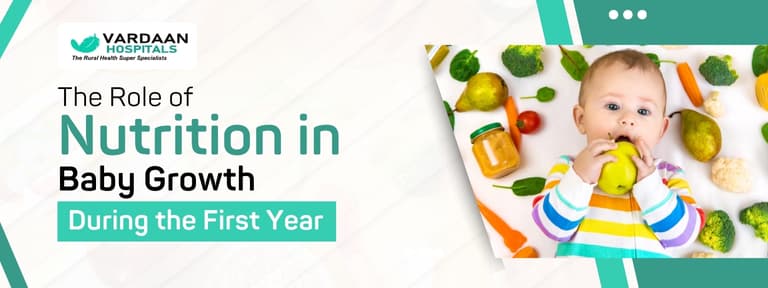
The first year of your baby's life is full of magic. Each month brings something new—smiles, sitting up, crawling, and maybe even their first steps. But behind all these cute milestones is something very important: nutrition.
The food your baby eats in the first year plays a huge role in how they grow, learn, and stay healthy. From day one, your baby's body and brain are growing fast. And to support this growth, they need the right kind of food.
In this blog, we'll explain why nutrition is so important during this time, what babies need at different ages, and how you can help them get off to a great start.
Babies grow more in their first year than at any other time. Their weight triples, and their brain goes through major development. Nutrition fuels this growth.
Here's how good food helps:
Without proper nutrition, babies may fall behind in growth or face health problems later on.
For the first six months, breast milk is all your baby needs. It contains just the right balance of nutrients, water, proteins, healthy fats, natural sugars, vitamins, minerals, and antibodies, all tailored to your baby's growth and development.
What Makes Breast Milk So Special:
Easy to Digest: Breast milk is naturally designed for your baby's tiny stomach, reducing chances of gas, constipation, or tummy discomfort.
Colostrum in the first few days: In the first couple of days following birth, mother's produce colostrum, a thick, yellowy milk packed with antibodies. It also has an abundance of proteins, and helps build the baby's gut and immune system.
Changes to meet baby's needs: Breast milk slowly changes in composition and turns whiter and thinner – but still with lots of nutrition, as the days go by. It changes based on the age of your baby – and the time of day!
Immunity-building: Breast milk is packed full of antibodies and immune-boosting cells, providing even more protection from ear infections, diarrhoea, pneumonia, and other childhood illnesses.
Reduce risk of allergies and asthma: There is evidence babies that are breastfed have a reduced risk later in life of allergies, asthma and obesity.
Bonding: Breastfeeding also provides close physical and emotional contact between mother and baby; it helps to in creating feelings of security and attachment for both mothers and babies.
If you cannot breastfeed, infant formula, is the next best option. However, is is best to see a paediatrician to help you decide which brand of formula to use based on your baby's needs.
At Vardaan Hospitals we offer bespoke lactation support, breastfeeding support and guidance and practical feeding advice to the new mother to empower and support her through this transition in her life.
By six months, your baby is growing fast and needs more than just milk. While breast milk or formula still remains a major source of nutrition, this is the right time to slowly introduce solid foods into their daily routine.
At this stage, babies are just learning how to eat, so keep things simple and soft.
Good First Foods to Try:
Avoid adding salt, sugar, honey, or spices at this stage—your baby's kidneys are still developing.
Your baby is now ready for more texture and taste. Their ability to chew (even without many teeth) is improving, and they're likely eager to try what you're eating.
What You Can Offer Now:
Breast milk or formula should still be given alongside these meals. Offer solids 2–3 times a day and let your baby eat at their own pace.
By now, your baby is more active, curious, and eager to explore different tastes and textures. They may have a few teeth and can handle soft finger foods.
What You Can Include:
You can even let your baby sit with the family during mealtime, which helps build healthy eating habits early on.
Caution: Avoid foods that pose a choking risk such as:
Let your baby experiment, get messy, and enjoy their meals. It's all part of the learning process!
Babies need a mix of all nutrients. Here are the key ones:
Iron
Needed for brain growth. Found in dal, green veggies, mashed egg yolk.
Protein
Helps muscles grow. Found in lentils, curd, paneer, and grains.
Calcium and Vitamin D
Important for bones. Found in milk, curd, and sunlight exposure.
Vitamin A
Good for the eyes. Found in carrots, pumpkin, and sweet potatoes.
Fibre
Helps digestion. Found in fruits, veggies, and grains.
Until 6 months, babies don't need water. Breast milk gives all the water they need.
After 6 months, you can give small sips of:
Avoid giving fruit juices or sugary drinks.
Some foods are not safe for babies. Avoid giving:
Stick to simple, homemade food as much as possible.
You don't need to count calories. Instead, look for signs:
If you're ever unsure, your doctor can check your baby's growth chart.
1. Baby Refuses New Food
It is very normal for babies to turn their head away from or spit out new foods.
Solution: Patience here will also serve you well. Allow a few days to pass and serve the food again. It may take your baby 8 to 10 times of being introduced to a new taste before they will accept it – try combining it with something they already like to eat.
2. Baby Throws Food or Makes a Mess
Babies are explorers at this stage! To throw food or play with it is part of the learning process.
Solution: Allow them to explore food but set limits. Use a small clean mat under the high chair for your ease. Highly encourage finger foods that they can easily grab.
3. Sudden Drop in Appetite
It's common for babies to eat less than normal at times. This could happen for any number of reasons like growth spurts, being in a happy or cranky mood, or even simply because of the weather.
Solution: Don't force-feed your baby. Just keep offering small meals more frequently in a lot of variety. Try to gauge your baby's overall growth and disposition instead of a daily food count.
At Vardaan Hospitals, we understand how important your baby's first year is. Our pediatricians:
Whether you're a new parent or just need reassurance, our team is here for you—every step of the way.
Your baby's first year is a time of fast growth and learning. The food they eat now shapes their future health and habits.
You don't need fancy food. Just real, home-cooked meals with lots of love. Pay attention to your baby's cues, and enjoy this beautiful journey together.
If you have any questions about baby food or growth, Vardaan Hospitals is just a call away.
Vardan Hospitals © 2025. All rights reserved.