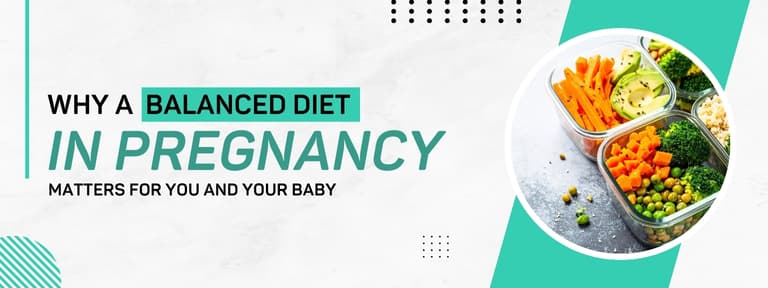
Pregnancy is a time of many changes. Your body works hard to grow a tiny human inside you. To do this well, it needs the right fuel. This fuel comes from what you eat.
Eating healthy during pregnancy is not just about filling your stomach. It’s about feeding your baby too. A balanced diet keeps you strong and helps your baby grow the way they should.
In this blog, we’ll talk about why good food choices matter when you’re expecting. We’ll also share what to eat, what to avoid, and how hospitals like Vardaan Hospitals help guide mothers toward healthy habits.
A balanced diet gives your body all the things it needs—proteins, vitamins, minerals, carbs, and fats—in the right amount.
When you’re pregnant, your body needs more of some things, like:
It doesn’t mean you have to eat double. It means you eat better.
Everything your baby needs comes from you. If your diet is poor, your baby might not get the nutrients they need.
Eating well:
A good diet helps reduce:
You’ll also sleep better and have more energy.
Eating right can lower your chance of:
Healthy eating also makes it easier to lose weight after birth.
Let’s keep it simple. Your plate should be full of color and variety. Try to eat:
These give you vitamins, minerals, and fibre. Eat different colors. Leafy greens, carrots, bananas, apples, and oranges are all great.
Brown rice, oats, whole wheat roti, and dalia give you energy and keep your digestion strong.
Milk, curd, and paneer give you calcium and protein. Choose low-fat options if advised by your doctor.
Lentils, beans, eggs, chicken, and fish (cooked well) help your baby’s tissues and organs grow.
Nuts, seeds, and small amounts of oil like olive or mustard oil are good for you and your baby’s brain.
Drink 8–10 glasses a day. Water helps your body work properly and keeps your skin healthy too.
While eating more is important, some foods can do harm. Here’s what to skip or limit:
Here’s a sample of what a healthy day might look like:
Breakfast:
Mid-Morning Snack:
Lunch:
Evening Snack:
Dinner:
Remember, every person is different. Always ask your doctor or dietitian before making big food changes.
You may have heard this line: “You need to eat for two now.” But that doesn’t mean twice the food. It means twice the care.
In the first 3 months, you don’t need extra calories. From the 4th month on, you only need about 300–400 extra calories a day. That’s like one glass of milk and a banana.
The goal is not to eat more—but to eat smarter.
Many moms-to-be fall into diet traps. Here are a few to avoid:
If you are:
…it’s best to meet a doctor or dietitian. At Vardaan Hospitals, our experts can make a food plan just for you. We guide you on what to eat, how much, and when.
You don’t have to eat fancy food. Local, home-cooked meals are often best. Simple Indian foods like dal, roti, sabzi, rice, curd, and fruits are rich in nutrients.
You can enjoy your favorite foods—just cook them well and eat in the right amount.
Sometimes, stress or boredom can make you want to eat junk. This is called emotional eating. It’s okay once in a while, but not every day.
Try these instead:
Your baby feels what you feel. So, keeping yourself happy and calm is also part of good nutrition.
A balanced diet during pregnancy is not hard. It just takes a little care. The food you eat helps grow your baby’s body and brain. It also keeps you strong during labor and after birth.
So eat fresh, eat local, and eat with love. Listen to your body. If you ever feel unsure or weak, talk to your doctor.
At Vardaan Hospitals, we are here to guide you. From check-ups to diet help, we walk with you every step of your pregnancy journey.
Vardan Hospitals © 2025. All rights reserved.